News
LATEST NEWS
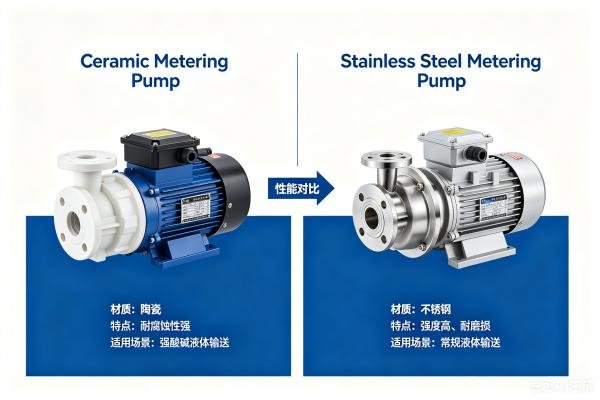
- 01Ceramic vs stainless steel metering pump
- 02Benefits of ceramic plunger metering pumps
- 03Juchang Ceramic Plunger Metering Pump Valve - Products
- 04What is a ceramic metering pump used for
- 05Ceramic fluid metering pump working principle
- 06Application of Ceramic Liquid Metering Pumps and Drones
- 07Accelerating Internationalization: Attention Required for China's Ceramic Valve Standards
- 08Four Major Advantages of New Ceramic Valves|Features of Wear-Resistant & Corrosion-Resistant Ceramic Valves - Shenzhen Juchang Precision Co., Ltd.
- 09Ceramic Valve Maintenance|Practical Points for Extending Ceramic Valve Service Life - Shenzhen Juchang Precision Co., Ltd.
- 010How to Extend Ceramic Valve Service Life|Ceramic Valve Selection & Maintenance Tips

Address:1st Floor, Zixiang Road, Pingshan District, Shenzhen, Guangdong Province
Zip Code: 518100
Phone: +86 13410681808
E-mail:juchang@zhmidi.com
News
HOMENews
Hastelloy vs Titanium Valve | Corrosive Condition Material Selection Guide
2026-09-07 08:04:24 View:91Hastelloy vs Titanium Valve: Material Selection for Severe Corrosive Conditions
Hastelloy valves and titanium valves are two mainstream options for heavy‑duty corrosive chemical service. Neither material is universally superior. Real‑world corrosion performance depends heavily on medium type, concentration and operating temperature. Wrong material selection leads to unexpected leakage, short service life and unplanned production downtime.
Table of Contents
1. Corrosion‑Resistant Properties of Hastelloy Valves
Hastelloy belongs to nickel‑chromium‑molybdenum based nickel‑base alloy. Its core strength lies in excellent resistance to reducing acids and mixed corrosive environments. Popular grade Hastelloy C‑276 contains around 16% molybdenum, delivering outstanding resistance against hydrochloric acid, dilute sulfuric acid, phosphoric acid and other non‑oxidizing acids. Even in boiling 10% hydrochloric acid, its corrosion rate stays extremely low, far better than standard stainless steel.
Hastelloy also provides strong resistance to pitting corrosion, crevice corrosion and stress‑corrosion cracking. It performs reliably under wet chlorine gas, hypochlorite and various chloride‑bearing media, and maintains stable performance across a broad high‑temperature range.
Limitations: Hastelloy’s corrosion resistance drops in concentrated nitric acid and high‑temperature strongly oxidizing environments. It cannot withstand hydrofluoric acid.
2. Corrosion‑Resistant Properties of Titanium Valves
Titanium alloy gains anti‑corrosion capability from a dense, self‑healing TiO₂ passive film on its surface. It excels within oxidizing and neutral service environments. Titanium remains highly stable in concentrated nitric acid, wet chlorine gas, seawater and chloride solutions. Almost no corrosion occurs under room‑temperature 50% nitric acid. Its salt‑spray corrosion rate is only 1/1000 of ordinary stainless steel.
Featuring low density and high mechanical strength, titanium alloy fits lightweight corrosion‑resistant requirements for marine engineering and fine‑chemical industries.
Limitations: Titanium is not resistant to hydrofluoric acid. Under temperatures above 100°C or exposed to dry chlorine gas, titanium components risk crevice corrosion and even combustion hazards.
3. Working‑Condition‑Based Material Selection Guide
✅ Prefer Hastelloy: Reducing acids, high‑temperature mixed corrosion, chloride‑rich corrosive chemical environments
✅ Prefer Titanium: Concentrated nitric acid, wet chlorine, seawater, room‑temperature oxidizing media
⚠️ Avoid Both: Any process containing hydrofluoric acid; neither alloy can resist HF corrosion
⚠️ For complex extreme conditions: Evaluate medium composition, temperature and concentration comprehensively. Conduct corrosion coupon testing where necessary to confirm suitable material.
4. Hastelloy VS Titanium Performance Comparison Table
| Performance Item | Hastelloy Valve | Titanium Valve |
|---|---|---|
| Resistance to reducing acid | Excellent | Fair |
| Resistance to oxidizing acid | Moderate | Excellent |
| Wet chlorine / chloride‑containing media | Very good | Stable at room temperature |
| High‑temperature corrosion resistance | Great | Limited (risk over 100°C) |
| Seawater & salt‑spray resistance | Good | Excellent |
| Hydrofluoric acid resistance | Poor | Poor |
| Material characteristic | Versatile all‑round corrosion‑resistant nickel alloy | Light‑weight, oxidation‑specialized alloy |
5. Final Conclusion
Hastelloy acts as a versatile all‑round corrosion‑resistant alloy, while titanium is a specialist material for oxidizing and marine‑related corrosive scenarios. There is no absolute “best” valve alloy. Material selection must be driven by real‑site medium, concentration and operating temperature parameters to get optimal corrosion‑protection solutions.
For more technical articles about corrosion‑resistant valves and fluid control solutions, visit Juchang Precision official website.
6. Frequently Asked Questions
Q: Which one is more corrosion‑resistant, Hastelloy or titanium valve?
A: It depends on process media. Hastelloy outperforms in reducing acids and high‑temperature mixed corrosion. Titanium shows better performance in concentrated nitric acid, seawater and oxidizing‑type media.
Q: Can Hastelloy and titanium handle hydrofluoric acid?
A: No. Both alloys fail under hydrofluoric acid service. Special alternative materials are required.
Q: Can titanium valves work for high‑temperature corrosive service?
A: Not recommended. Titanium faces crevice‑corrosion and safety risks above 100°C within chloride or dry‑chlorine environments.
Q: What applications suit Hastelloy valves best?
A: Hastelloy valves are first‑choice for processes with hydrochloric acid, dilute sulfuric acid, phosphoric acid, high‑temperature mixed corrosion and chlorine‑containing chemical streams.
Recommend