Products
LATEST NEWS
- 01Application of ceramic plunger pump
- 02The structure and principle of ceramic pumps
- 03Alumina ceramic properties
- 04Ceramic metering pump manufacturer
- 05Chinese ceramic pump manufacturer
- 06Troubleshooting pneumatic valve actuators
- 07Analysis of Speed Control Valve Faults in Hydraulic Station Hydraulic Systems
- 08What are the requirements and methods for pressure testing of imported valves?
- 09How to correctly choose a suitable imported valve
- 010Precautions for the Installation and Maintenance of Safety Valves

Address:1st Floor, Zixiang Road, Pingshan District, Shenzhen, Guangdong Province
Zip Code: 518100
Phone: +86 13410681808
E-mail:juchang@ceramic-pumps.com
Food filling pump
HOMEFood filling pump

0 - 100ML Ceramic Pump
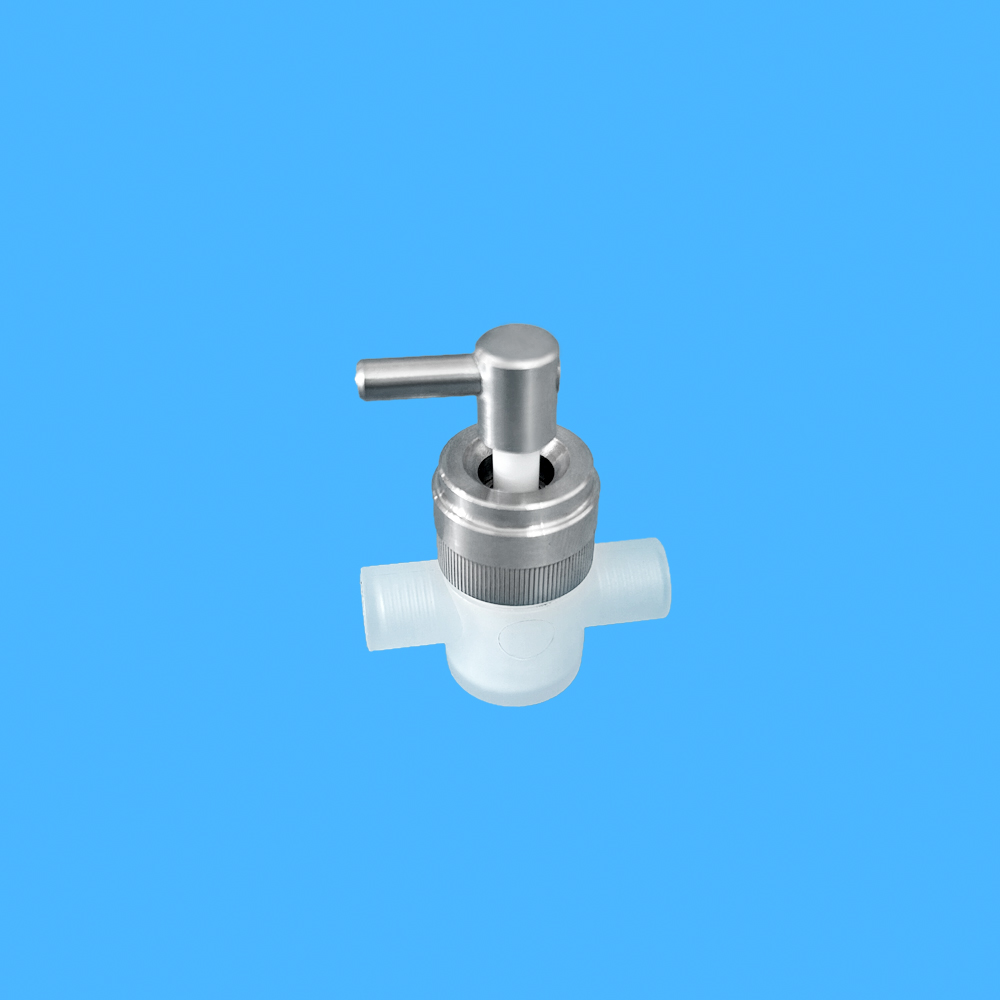
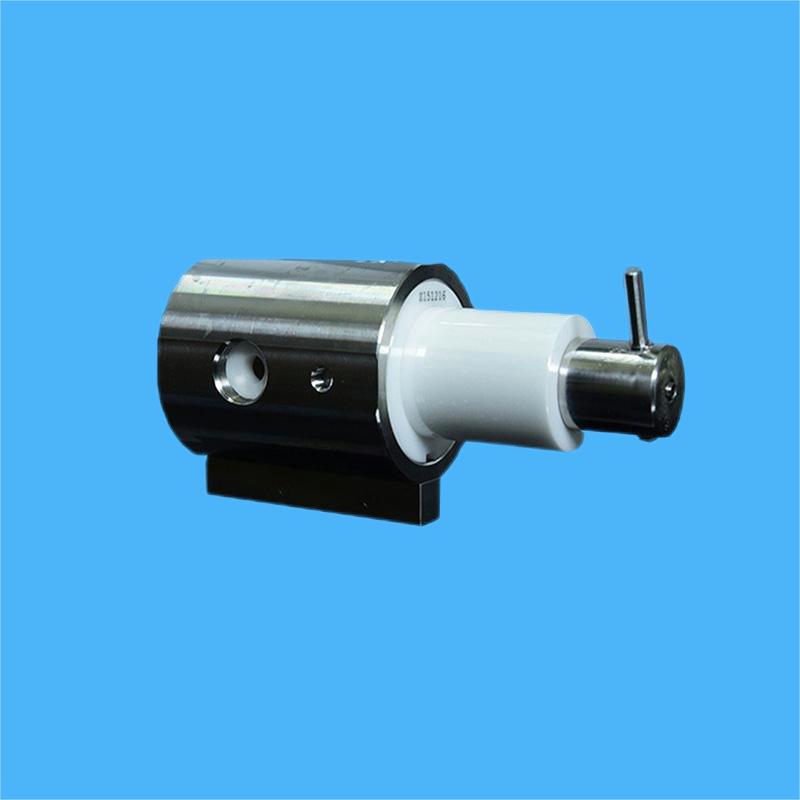
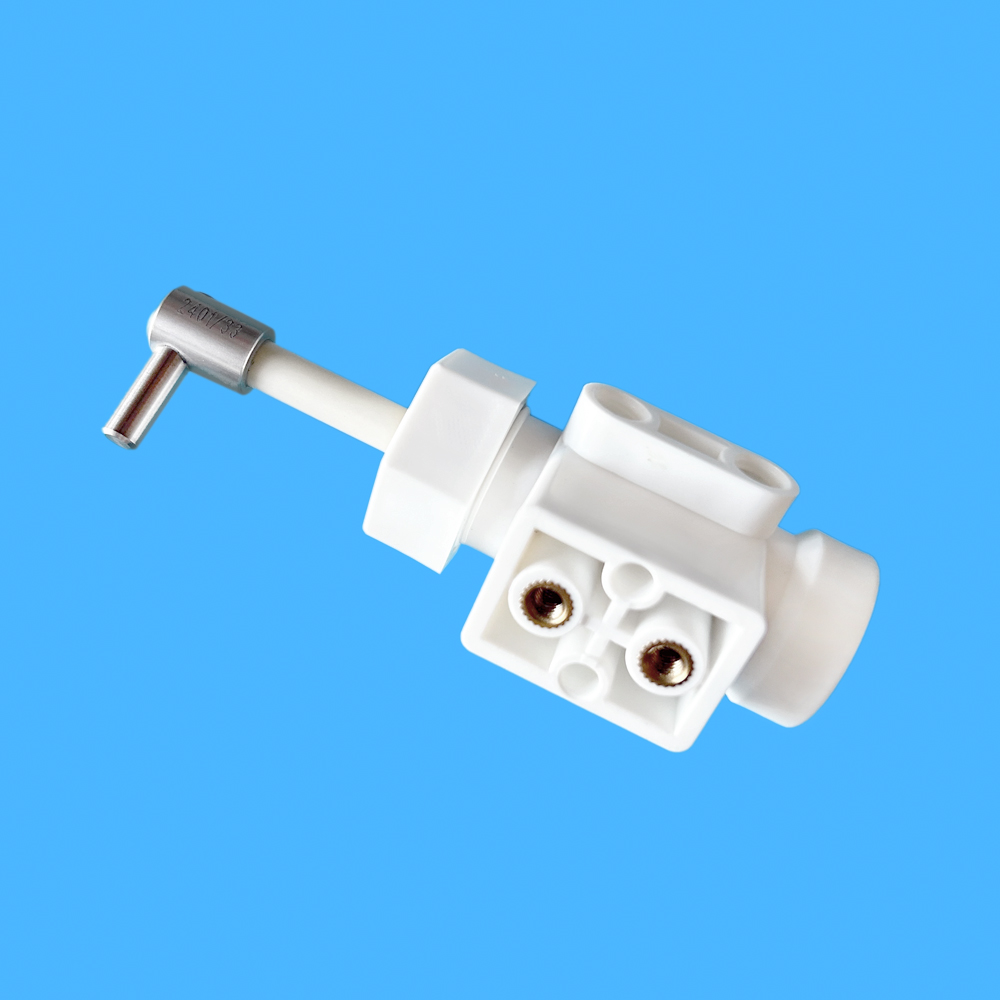
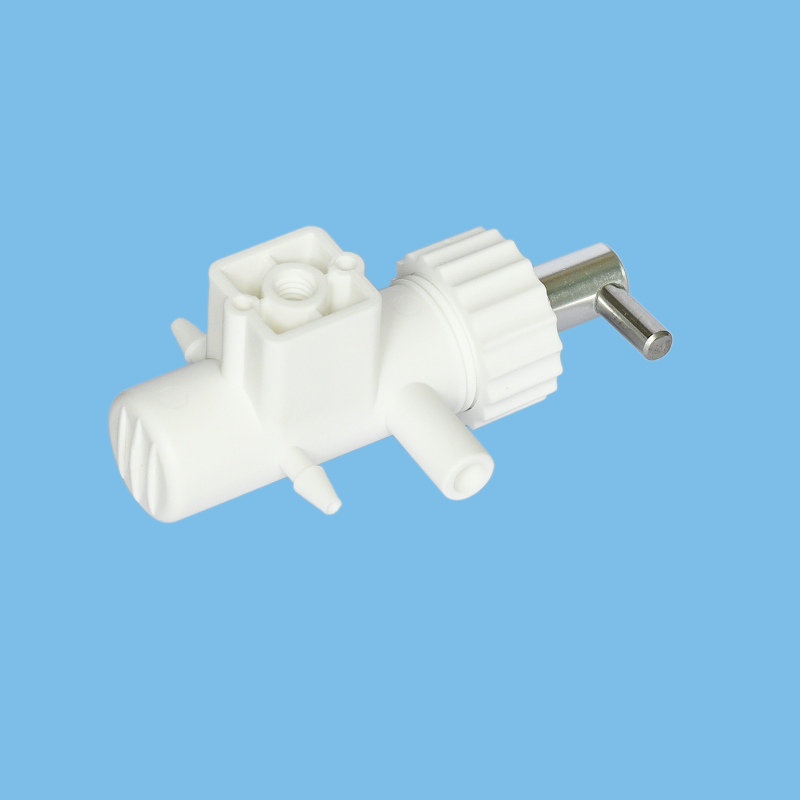
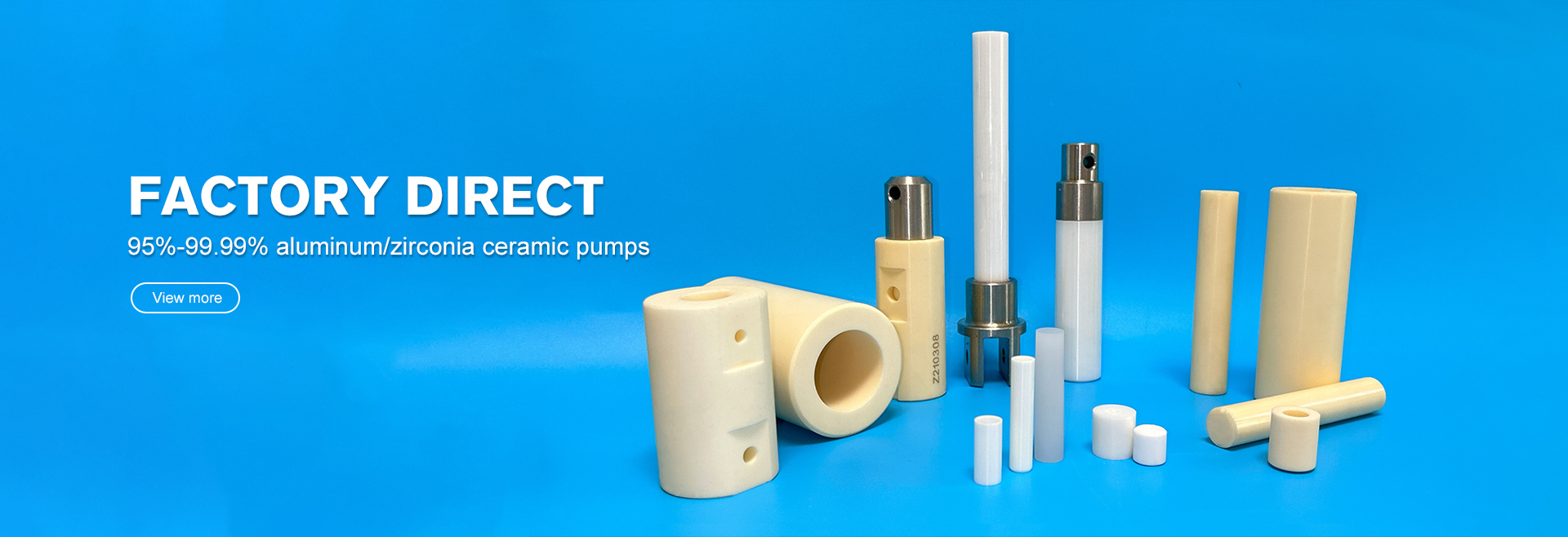
Ceramic filling pump, ceramic pump filling and filling ceramic pump are equipment used for precise liquid filling and metering in the pharmaceutical and food industries. They the high precision and corrosion resistance properties of ceramic materials to ensure the purity and filling accuracy of drugs and food. When choosing, it is necessary to combine actual needs to ensure product stability safety.
Ceramic filling pump_Ceramic pump filling_Filling ceramic pump has the following product models:
| type: | piston diameter(MM) | volume(ML) |
| JC-20 | D20 | 5 |
| JC-22 | D22 | 8 |
| JC-25 | D25 | 10 |
| JC-30 | D30 | 15 |
| JC-36 | D36 | 20 |
Ceramic Filling Pump_Ceramic Pump Filling_Structure of Ceramic Pump Filling
The ceramic filling metering pump consists of a ceramic pump body, a rotary valve, a metering rod, stainless steel in-and-out fluid nozzles and connecting parts.
Working Principle of Ceramic Filling Metering Pump:
When the port of the rotary valve is aligned with the inlet, the downward motion of the ceramic column generates negative pressure and sucks in liquid;
When the port of the rotary valve is aligned with the outlet, the upward linear motion of the ceramic generates positive pressure and discharges liquid.
Assembling and Connecting the Ceramic Filling Pump with the Filling Machine
Since the ceramic rod and the ceramic are precision fit parts with a small clearance that cannot be interchanged, products are numbered before leaving the factory, and they should not be interchanged during cleaning and assembly.
installation, ensure that all sealed parts are installed in place without leakage.
It is necessary to eliminate the assembly clearance with each part of the filling machine (assembly clearance causes changes stroke, resulting in inaccurate metering) and to ensure the coaxiality of the moving parts (affecting the pump's service life and filling accuracy).
vantages of Ceramic Filling Pump_Ceramic Pump Filling_Ceramic Pump Filling:
Compared with metal cylinder liners, the service life is by 5-10 times;
It has the advantages of wear resistance, corrosion resistance, high pressure resistance, high temperature resistance, high strength, and high hardness;
Reduce transportation costs, maintenance costs, labor costs, storage costs, etc., for drilling operations;
Ceramic Filling Pump_Ceramic Pump F_Ceramic Pump Filling Typical Applications:
Biological industry: diagnostic reagents, nucleic acid, vaccines, anticoagulants for blood collection tubes gels, oral, DMA analyzers, fractionation, test tube filling, addition and spraying of blood sample collection reagents, and drug solution production, etc.
Energy industry: button batteries, cylindrical batteries, capacitors, polymer batteries, power batteries, lead-acid, zinc-air batteries for quantitative addition of liquid and follow- battery glove boxes, automatic/semi-automatic filling machines, etc. Equipment manufacturers are matched.
Electronic industry: AF coating, silver glue, VC, heat pipe, lens, microelectronics, semiconductor manufacturing during etching and cleaning solution, LED chip dispensing packaging, LCD precision spraying, micro dispensing machine, etc. Matching equipment
Chemical industry: COD water pollution detection reagents, sulfuric acid filling, hydrochloric acid, nitric acid, boric acid, fungicide ink, paper strength enhancer, dye quantitative addition, control agent addition, addition of slaked lime, etc.
Daily chemical industry: emulsion, essential oil, masc, cleanser, cosmetics, skin cream, hair dye, fatty acid, addition of cosmetic pigments, humidity control, and addition of fragrance filling.
Food industry: tomatoe, milk, yogurt, cream, soda, fruit juice, wine, condiments, mustard, condiments, honey, lard, fruit puree juice, pudding, food additives, flavors, edible oil fractionation, etc.