News
LATEST NEWS
- 01Application of ceramic plunger pump
- 02The structure and principle of ceramic pumps
- 03Alumina ceramic properties
- 04Ceramic metering pump manufacturer
- 05Chinese ceramic pump manufacturer
- 06Troubleshooting pneumatic valve actuators
- 07Analysis of Speed Control Valve Faults in Hydraulic Station Hydraulic Systems
- 08What are the requirements and methods for pressure testing of imported valves?
- 09How to correctly choose a suitable imported valve
- 010Precautions for the Installation and Maintenance of Safety Valves

Address:1st Floor, Zixiang Road, Pingshan District, Shenzhen, Guangdong Province
Zip Code: 518100
Phone: +86 13410681808
E-mail:juchang@ceramic-pumps.com
News
HOMENews
Hydraulic ceramic piston pump
2026-01-22 08:18:30 View:431Hydraulic ceramic piston pump
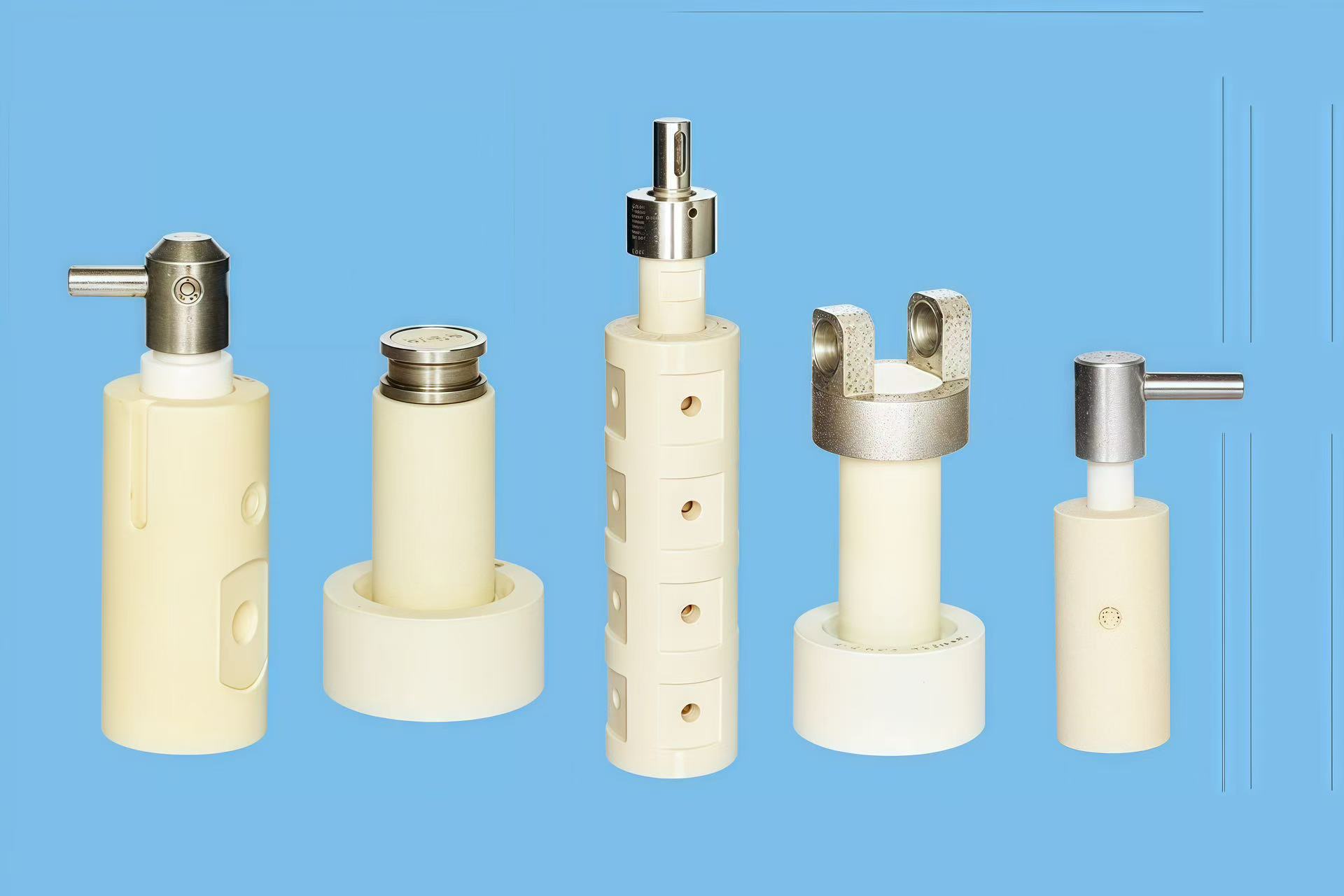
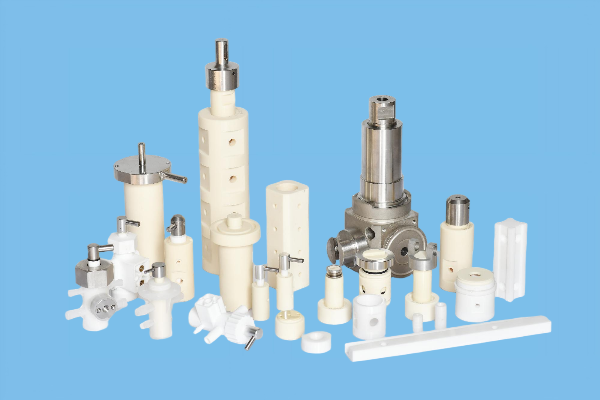
A hydraulic ceramic piston pump is a device that uses a ceramic piston to reciprocate in a hydraulic cylinder to transport or pressurize a liquid, suitable for handling corrosive media or where high wear resistance is required.
Core features
Ceramic plunger: Made of materials such as zirconia and silicon nitride, it the characteristics of high hardness, wear resistance, and corrosion resistance, suitable for conveying liquids containing solid particles or chemical media.
Hydraulic drive: plunger is driven by a hydraulic system (such as a hydraulic cylinder), providing stable and adjustable high-pressure output.
Structure: Common designs include single-, double-cylinder, and multi-cylinder configurations, with options for electric or diesel engine drive, and some models support variable frequency or explosion-proof configurations.
Typical
Industrial field: Matching with filter presses in sewage treatment, slurry transportation, chemical processes, and ceramic production.
Agricultural irrigation: Used in automatic sprinkler systems for farms and orchards, suitable for long-term operation due to its durability.
Other fields: Construction machinery, hydraulic testing, high-pressure cleaning, etc.
Precautions
Although the ceramic plunger is wear-resistant, it is a brittle material and should avoid severe impact idling.
When purchasing, it is necessary to choose the appropriate material and configuration based on the medium characteristics (such as corrosiveness, particle concentration) and working pressure.
Regular maintenance of the hydraulic system and inspection of plunger wear are key to ensuring longevity.
If you need more specific model recommendations or technical parameters, you can tell your use scenario and budget.
Recommend